
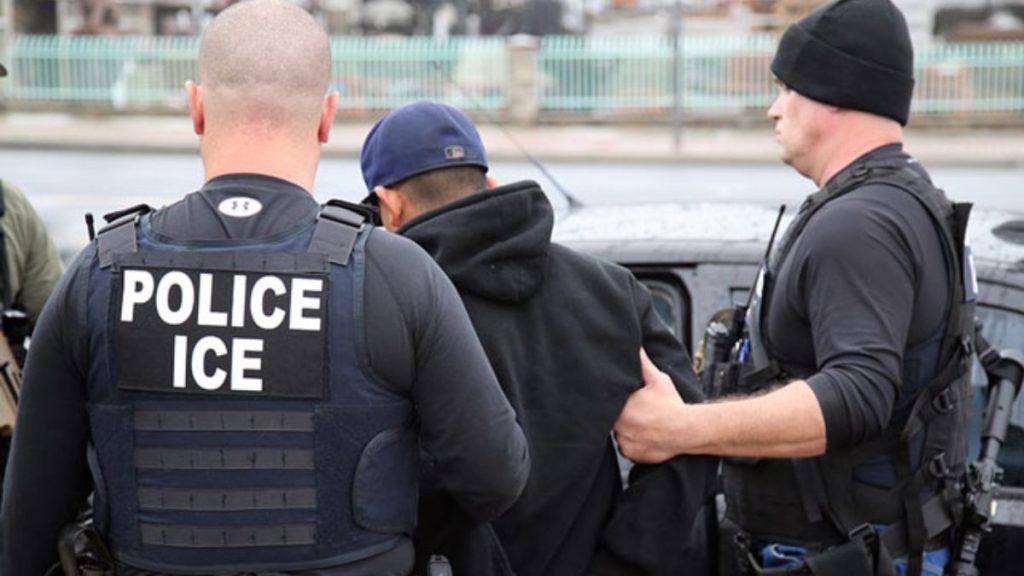
Immigration raids on houses of worship remain infrequent. However, arrests last week at two Los Angeles-area churches have fueled anxiety among migrants and sparked outrage among activists.
Although there have been no instances of churches in Arizona being attacked, many were already on edge.
Since the beginning of the year, Rev. Veronica Alvarez has ensured that the doors at Faith Evangelical Lutheran Church in Phoenix, where approximately half of the congregation is Hispanic, are locked and monitored.
“In light of the new rules, there is no sanctuary at all,” she said Monday by phone. “It’s a sacred place where you should feel safe. But this administration is taking all that away. So all I can do is try to keep that space sacred for them to feel safe.”
Prior to President Donald Trump’s inauguration in January, the Department of Homeland Security mandated that Immigration and Customs Enforcement agents refrain from making arrests in churches, hospitals, schools, and other “protected areas.”
Trump lifted the policy in January.
In Los Angeles, scores of ICE raids at car washes and other locations provoked days of protest. That prompted Trump to deploy Marines and the California National Guard, which he federalized despite Democratic Gov. Gavin Newsom’s resistance.
On June 11, ICE officials apprehended two migrants outside churches in Downey, a population of approximately 110,000 people in Los Angeles County.
Agents apprehended an elderly guy on the sidewalk outside Our Lady of Perpetual Help Catholic Church after he dropped his granddaughter off at school.
According to the pastors, a group of armed men wearing face masks and Kevlar jackets bearing the word “POLICE” arrested a Latino man and drove him away in an SUV with Texas plates.
Pastor Alfredo Lopez told KNBC-TV that the guys were wearing badges but declined to name whose agency they worked for. He claimed that one of them drew a weapon on his wife, the senior pastor, when she ordered that they leave church grounds.
“The one that was holding the rifle, he said, the whole country is our property. That sent a message,” Lopez said. “Just a community member going about his day. It’s pretty concerning.”
Citing “ongoing litigation,” an ICE representative declined to disclose existing regulations and limitations on places of worship.
Enforcement proceedings against churches began shortly after Trump returned to office, but they remained intermittent.
In January, officials in Puerto Rico apprehended people en route to the San Pablo Methodist Church.
A week after Trump’s inauguration, ICE officers waited outside a church in Tucker, Georgia, and apprehended a Honduran asylum applicant who had attended a service there. The man had been wearing an ICE ankle monitor and, according to his wife, had a five-year work visa, which should have protected him from deportation.
Don Stevens, an attorney based in Cottonwood, Arizona, who provides free legal guidance to churches, said ICE is unlikely to show up without “sufficient probable cause.” However, Stevens expressed concern about some of the new approaches.
Stevens recommends churches “obey law enforcement to avoid escalation and to have an action plan in case family members are swept up,” he stated via email.
The White House has increased pressure on ICE to deliver on the president’s vow of mass deportation. Trump’s declared goal is to deport all 11 million or more people who are believed to be living in the United States illegally.
Stephen Miller, the White House’s deputy chief of staff, instructed immigration officials this month that ICE should detain at least 3,000 people every day.
In Arizona, ICE agents have arrested people at courthouses. Governor Katie Hobbs condemned ICE officers for impersonating utility workers after Tucson residents reported it earlier this month.
The Rev. Bob Solis, head of the migration ministry at St. John Vianney Catholic Church in Goodyear, voiced concern about the aggressive methods and said he is monitoring the news to “gauge how far they are willing to go.”
For the past two decades, the Shadow Rock United Church of Christ in north Phoenix has assisted eight migrant and refugee families by providing legal expenses and lodging, as well as accompanying congregants to court and ICE check-ins.
When immigration from Central America increased in the 1980s, the Rev. Ken Heintzelman stated, “Morally, some churches felt like there was an obligation to keep them safe, to keep them from being deported.”
He stated that his church had ceased accepting new families due to mounting costs and “this threat,” referring to the repeal of the protected-areas policy, which kept immigration authorities at bay.
Heintzelman meets monthly with other Christian leaders from the New Sanctuary Coalition, which opposes detention and deportation.
“Now,” he said, “the conversation is ‘What is the value of sanctuary at this point?’”