

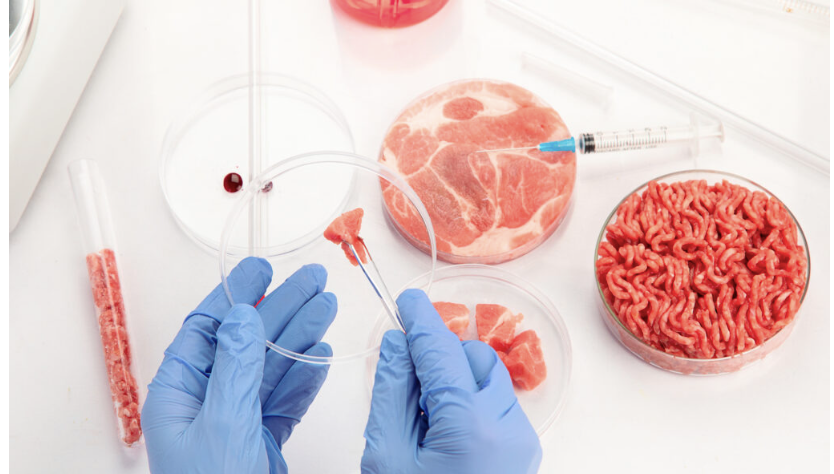
Tennessee has taken a step forward in regulating the sale of cell-cultured food products as lab-grown meat begins to emerge in the marketplace. A new law, which went into effect on July 1, now requires clear labeling for any food made with cell culture technology and sold within the state.
Under this law, the Tennessee Department of Agriculture (TDOA) will establish a permitting system for companies producing or selling these products. Any business caught mislabeling a cell-cultured item as “meat” or a “meat food product” could face a $2,000 fine.
“I’m sure there’s always going to be skepticism when something’s new,” said Rep. Rusty Grills (R–Newbern), who sponsored the measure. “If they want to try it, they ought to be able to try it, as long as they know what they’re getting.”
In addition to fines for mislabeling, producers will also pay an annual $1,000 fee to help cover the costs of implementing and maintaining the permitting program.
Expert Support and Early Action
Neal Schrick, head of the Department of Animal Science at the University of Tennessee, testified in favor of the legislation. He expressed optimism about the development of these products and said Tennessee is smart to get ahead of the curve.
“I think you’ll be able to buy cell-cultured chicken nuggets before you know it,” Schrick said. “They are making good progress, and they’ll figure this out.”
While he acknowledged that more research is needed on the nutritional, health, and environmental effects, Schrick warned against outright bans.
“I don’t think we should stick our heads in the sand and just say, ‘No. No. No. We’re just going to ban it,’” he said. “We should let folks decide.”
Growing Interest in Meat Alternatives
In Knoxville, local entrepreneur Brianna Best, owner of Breezy’s Plant Powered, a vegan pop-up restaurant, has noticed increasing curiosity around alternatives to traditional meat.
“People eat with their eyes. People eat with their noses first,” Best said. “I do think it will definitely make people more open-minded.”
She believes conventional meat will remain the norm for now, but expects lab-grown and plant-based options to gain more ground as consumers explore new choices.

